
 My Lovely Journey
Dramacool
184 Korean television dramas, 1999 to 2025, with 6,046 episodes listed.
Recently added drama





Historical

Family serials


Work and medicine


Youth and web

Romance


The Dramacool guide to Korean drama
Dramacool: Korean dramas, with Flower Boy Ramen Shop, The Prime Minister and I, Beethoven Virus, Hur Jun, My Only One, Hotelier, Lovers in Paris and Welcome 2 Life
Korean television drama conquered Asia at the turn of the century and the rest of the world soon after, and it did so with a few simple strengths. It tells complete stories, with a beginning, a middle and an end. It takes feeling seriously, whether the feeling is first love, a son's duty to his father or a doctor's fear of failing a patient. And it is made by writers who know that a weekend audience contains three generations on one sofa. Dramacool is a guide to 184 Korean dramas made between 1999 and 2025, from the years when a historical serial could empty the streets on a Monday night to the age of streaming. It sorts them into five kinds, and gives each a page with its cast, its episodes and a Watch now button that leads to the official services carrying it.
The 184 dramas have 6,046 episodes between them. Thirty are historical dramas, thirty-eight are family serials, thirty-five are about work and medicine, twenty-seven are youth and web dramas, and fifty-four are romances. This guide takes the five kinds in turn, then looks at the dramas of the early Korean Wave, at medicine and food, at short and long dramas and at the actors worth following, and it closes with the search, My List and a plan for a first fortnight.
What Dramacool is
Dramacool is a viewing guide. Each of its 184 pages describes one drama: its story, the year in which it was made, its leading actors, its director and the order of its seasons and episodes with their dates. At the top of each page is a Watch now button with a country selector beside it. Choose the country you are in, press the button, and JustWatch opens with the services that carry the drama there, whether by subscription, rental, purchase or free with advertising. The how to watch page sets out the three steps in brief.
The selection was made by hand, one summary at a time, with a mixed household in mind. It favours romance, family stories, medicine, music, food and the brighter kind of history, and it leaves aside the crime thrillers and the harsher melodramas of revenge. Many of the dramas here were shown in the early evening or at the weekend in Korea, when families watch together, and they keep that character.
The guide is written in English for viewers anywhere. The dramas are in Korean and are widely available with subtitles; each title page gives the original title in Korean script beside the English one, since a drama may be known by two or three English names and the original is the surest thing to search for.
How the pages are arranged
The site is a white column on a pale grey ground, in the manner of a well-used index. The logo and the search field stand at the top; beneath them runs a teal bar with the menu and, at its right-hand end, a yellow tab for My List.
The home page is built as lists under teal tabs. Each drama is one row: a small poster, the title in bold, a red tag with the number of episodes, and the year and the score. The first tab holds the twelve most recent dramas in the catalogue; then each of the five kinds has a tab of its own with six of its most popular titles and a link to the complete list. At the right stand three boxes with grey headers ruled in yellow: a numbered list of the twelve most popular dramas, the five kinds with the number of titles in each, and eight further lists. On a telephone the boxes move below the tabs, the rows fill the width of the screen, and the three-bar button opens the menu with a search field of its own.
Historical dramas
Thirty dramas are set in the past, and the historical guide arranges them. The historical drama, or sageuk, is the oldest glory of Korean television, and its most beloved hero is a doctor. Hur Jun, first shown in 1999, tells the life of Heo Jun, born the son of a nobleman's concubine in the sixteenth century and therefore barred from office, who became physician to the king and wrote a medical encyclopaedia that is still consulted. Jun Kwang-ryul plays him across sixty-four episodes as a man of stubborn compassion, and the director Lee Byung-hoon, who later made Jewel in the Palace, here perfected the form of the humane historical epic. More than six in ten Korean households watched its final episodes. Hur Jun, The Original Story retold the tale in 2013 as a daily serial of 135 parts.
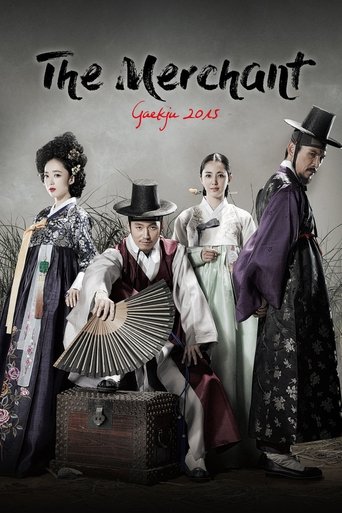
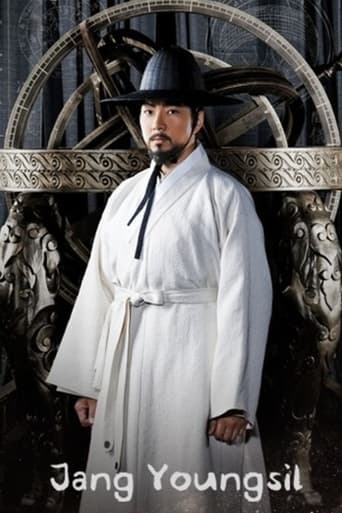
Medicine and invention have other champions. Jejoongwon is set in 1885 at the first Western hospital in Korea, where the son of a butcher, the lowest rank in the old society, becomes one of the country's first surgeons. Jang Yeong Sil follows the slave-born inventor who built water clocks and star maps for King Sejong, and The Goddess of Fire, with Moon Geun-young, the first woman to be admitted to the royal porcelain kilns. The Merchant: Gaekju 2015, with Jang Hyuk, is the rise of a pedlar to the head of a trading house in the last years of the kingdom.
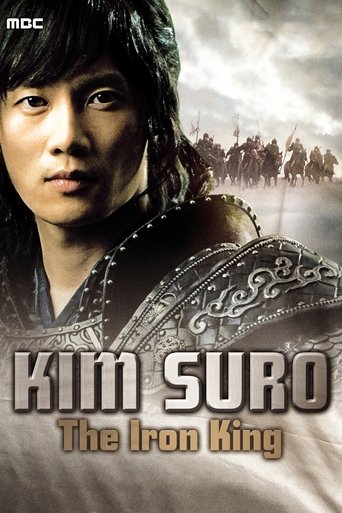
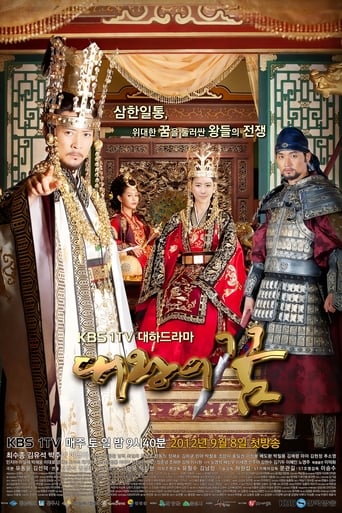
Kings and founders supply the grand chronicles. King Sejong the Great gives eighty-six episodes to the ruler who created the Korean alphabet, and Jeong Do Jeon to the scholar who designed the Joseon state at the end of the fourteenth century; the latter, with its long debates in council chambers, is regarded as the finest political drama Korean television has made. The King Dae Joyoung, with Choi Soo-jong, tells in 134 episodes how a general of fallen Goguryeo founded the northern kingdom of Balhae, and Dream of the Emperor, with the same actor, how Silla came to unite the peninsula. Gye Baek, Warrior’s Fate, The King of Legend, Kim Soo Ro and Su Baek-hyang, the King's Daughter go back to the ancient kingdoms of Baekje and Gaya, Empress Myeongseong forward to the last queen of Joseon, and The Nokdu Flower, with Cho Jung-seok and Yoon Shi-yoon as half-brothers on opposite sides, to the peasant rising of 1894. These epics include battles, shown with the restraint of broadcast television.
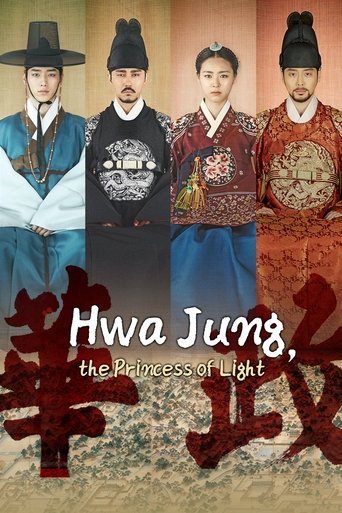
Legend and romance colour the rest. The Legend, with Bae Yong-joon, mixes the history of a great conqueror king with the myth of four guardian spirits. Ballad of Seo-dong is based on one of the oldest Korean songs, about a boy from Baekje who won a princess of Silla; Thousand Years of Love sends a princess of the same kingdom into the twenty-first century; and Hwajung, The Great Seer, Shine or Go Crazy, The Duo and Bichunmoo are romances in armour and silk.
The lightest historical dramas are among the most enjoyable. Hong Gil-Dong, The Hero, written by the Hong sisters, turns Korea's Robin Hood into a lazy young man in sunglasses who would rather sell fake medicine than save the people, and lets him grow into the part. Tamra, the Island is a sunny comedy about a clumsy diving girl on Jeju Island in the seventeenth century, an exiled young nobleman and a shipwrecked Englishman. Jeon Woo Chi has Cha Tae-hyun as a Taoist wizard who passes for a palace clerk, The Return of Iljimae and The Three Musketeers are adventures with young heroes, and Missing Crown Prince, with Suho, is a recent romantic comedy about a prince carried off by mistake by the father of his own betrothed.
Family serials
Thirty-eight dramas are family serials, and the family guide introduces them. Every Saturday and Sunday evening the public broadcaster KBS shows a drama of fifty episodes or more about an extended family, and for many Korean households it is the fixed point of the week. The formula is generous: three generations, several marriages to be made or mended, a secret from the past, and a long table at which everyone eventually sits down. My Only One is the outstanding recent example. Uee plays a young woman who has made her own way in the world, and Choi Soo-jong the quiet chauffeur who turns out to be the father she lost in infancy; nearly half the country watched the ending, and it has one of the higher scores in the catalogue.
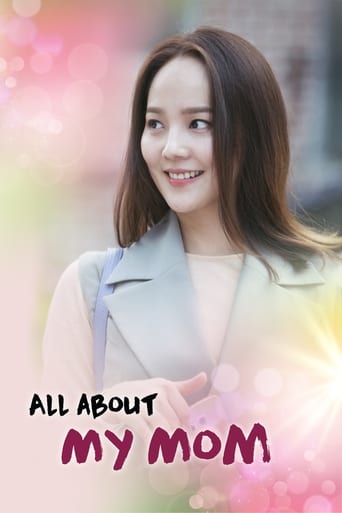
Seoyoung, My Daughter is its equal. Lee Bo-young plays a law student so ashamed of her feckless father that she tells her husband's family he is dead, and the drama traces, over fifty episodes, the long road back to each other. Ojakgyo Family is set on a small farm outside Seoul, home to a couple, a grandmother and four grown sons, whose peace ends when a young woman, played by Uee, arrives with a document proving that the land is hers. For Eagle Brothers, from 2025, is about a bride widowed ten days after her wedding who finds herself in charge of her husband's four brothers and the family brewery. Jang Bo Ri Is Here is set among makers of traditional dress, Happy Home in a Chinese restaurant, Homemade Love Story in a boarding house, and House of Bluebird, Marry Me Now, Beautiful Love, Wonderful Life, Beauty and Mr. Romantic, Our Gap Soon, All About My Mom, Rosy Lovers and Father, I'll Take Care of You ring changes on the theme.
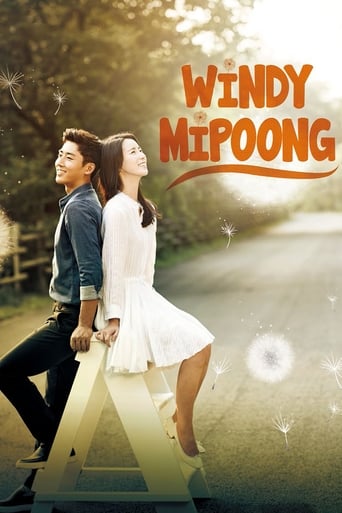
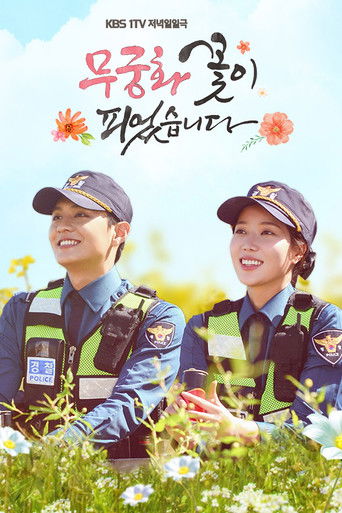
Some serials have a single remarkable idea. Five Enough is about a widower with two children and a divorced mother with three, who fall in love and must persuade five children and two sets of grandparents. In Smile, You, a wealthy family ruined overnight moves into the house of its former chauffeur. Wonderful Days brings a successful prosecutor back to the country town he left fifteen years before, and Yeah, That's How It Is, by the veteran writer Kim Soo-hyun, simply observes a large clan through its dinners, with Lee Soon-jae as the grandfather. Windy Mi Poong follows a young woman who has come from the North and the lawyer who helps her; Lovers in Bloom is set in a neighbourhood police post; I Really Really Like You sends a girl from a mountain village to cook at the presidential residence; and Jang Geum, Oh My Grandma imagines the food-loving descendants of the famous palace cook.
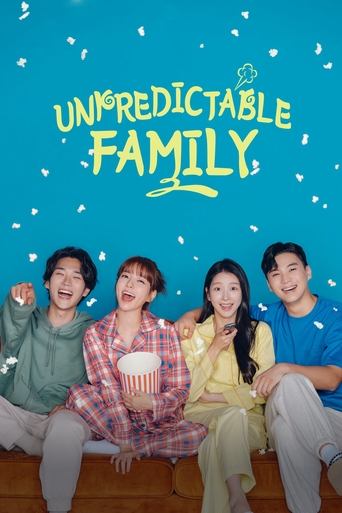
The daily serials, shown on weekday evenings in half-hour episodes, run longer still: Unpredictable Family has 131 episodes, Sweet Home, Sweet Honey 129, It's My Life 124, The Love in Your Eyes 123, and Be My Dream Family and Bravo, My Life 120 each. They are made to be watched a little at a time, and they repay loyalty with a very full cast of neighbours. The Good Witch and Spring Turns to Spring are comedies of exchanged identities, You Are Too Much is about a star singer and the woman who impersonates her in a nightclub act, and Golden Pouch, Man Who Sets The Table, The Rich Son, Queen's Flower, Working Mom Parenting Daddy and Heaven's Garden complete the shelf.
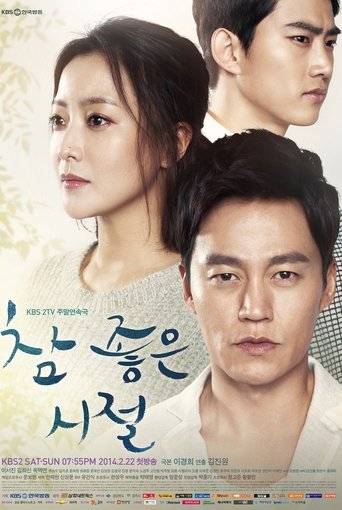
Work and medicine
Thirty-five dramas are about work, and the work guide divides them. The medical dramas come first and have a guide of their own in the medical guide. Behind the White Tower, from 2007, is the classic: adapted from a Japanese novel, it follows a brilliant and ambitious surgeon, played by Kim Myung-min, and his gentler colleague, played by Lee Sun-kyun, through the politics of a university hospital. It sets romance aside in favour of moral argument, and it changed what Korean medical drama could be. New Heart, with Ji Sung, is set in a cardiac surgery department that young doctors avoid because the hours are long and the rewards small. Golden Time takes its name from the first hour after an injury, in which a life can be saved, and is set in the emergency room of a hospital in Busan, with Lee Sung-min unforgettable as the surgeon who is always on the ward. Brain is a study of a driven neurosurgeon, and General Hospital 2 follows a new intake of residents.
Music has inspired two of the most popular dramas in the catalogue. In Beethoven Virus, a celebrated and insufferable conductor, known as Kang Ma-e and played by Kim Myung-min, is hired by a provincial city to lead an orchestra that turns out to consist of amateurs: a retired oboist, a housewife who gave up the cello, a trumpet-playing traffic policeman. His insults became national catchphrases, and his slow change of heart is one of the pleasures of Korean television. Naeil's Cantabile, adapted from a Japanese comic, pairs a perfectionist piano student, played by Joo Won, with an untidy genius, played by Shim Eun-kyung, at a music college.
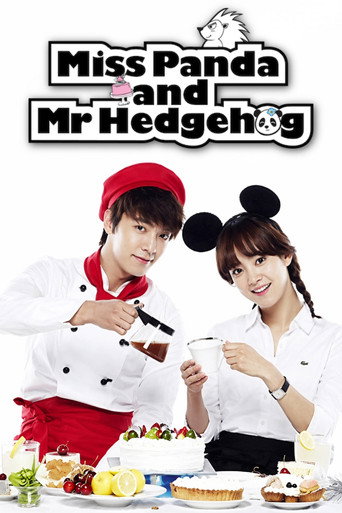
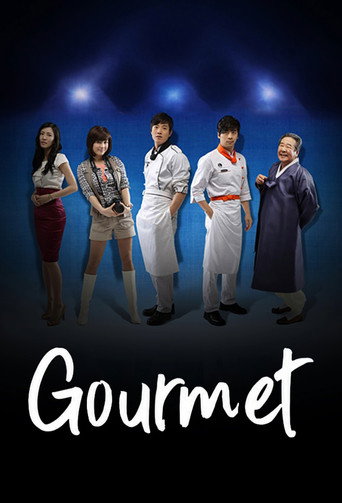
The kitchen is another favourite workplace, and the food guide gathers the dramas set there. Gourmet, from a famous comic, sends a young cook, played by Kim Rae-won, around the country in search of the best ingredients for the traditional table. Eccentric! Chef Moon takes a star chef to a village, The Best Chicken opens a fried chicken shop in a former bathhouse, Panda and Hedgehog is set in a bakery, and Bachelor's Vegetable Store is the true story of a young man who built a chain of shops from one stall.
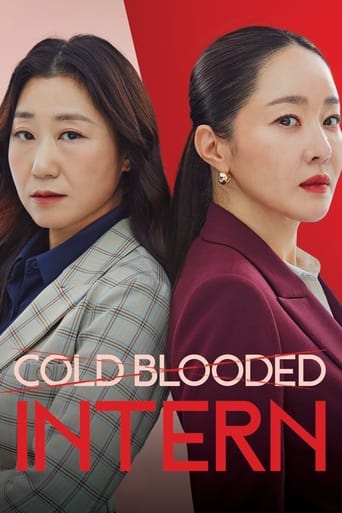
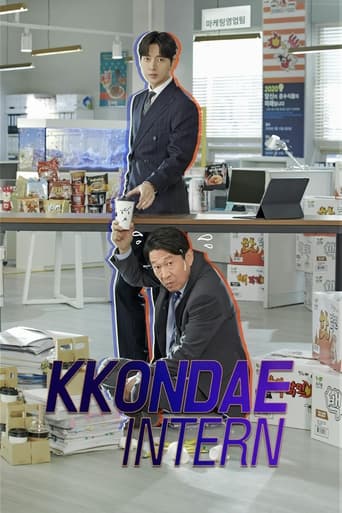
Office comedy is a Korean strength. The Queen of Office has Kim Hye-soo as Miss Kim, a temporary worker with a hundred and twenty-four certificates who can drive a digger, land a fish and file a report, and who leaves at six precisely. Kkondae Intern reverses a familiar relationship: a young manager at a noodle company finds that his new senior intern is the overbearing boss who once made his life a misery. Cold Blooded Intern sends a woman of forty back to the bottom rung, and in Miss Lee, a junior clerk, played by Hyeri, wakes to find herself the legal head of a small electronics firm whose owner has vanished. Ad Genius Lee Tae-baek is set in advertising, Fashion King, Fashion 70's and Cheongdam Dong Alice in the clothing trade, Hotelier in a grand Seoul hotel, and Air City and Take Care of Us, Captain at the airport and in the cockpit.
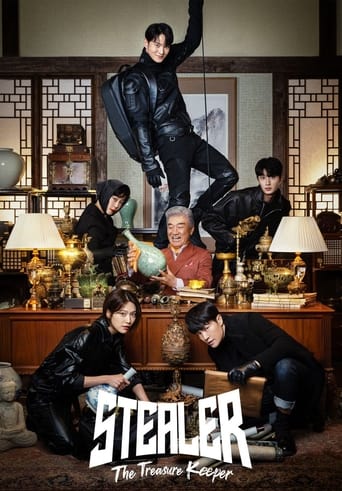
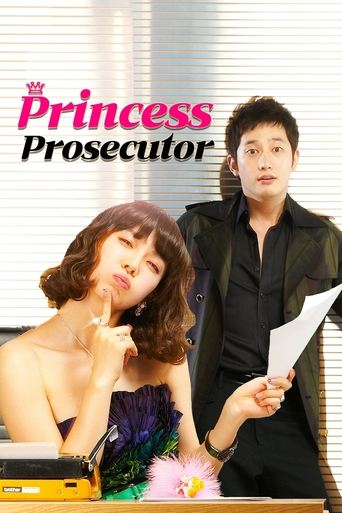
Television likes to look at itself, and does so well. Worlds Within, written by Noh Hee-kyung, follows two drama directors, played by Song Hye-kyo and Hyun Bin, through the making of several series and the remaking of their own romance. The King of Dramas has Kim Myung-min as a producer who will do anything for ratings. Public life is the subject of three comedies: City Hall, in which a clerk who serves the coffee, played by Kim Sun-a, ends as mayor of her town; All About My Romance, about two members of the national assembly from rival parties; and The Great Show, in which a defeated politician, played by Song Seung-heon, takes in four orphaned siblings to improve his image and is improved by them. Prosecutor Princess follows a clothes-loving young prosecutor, played by Kim So-yeon, as she learns her trade; Miss Korea, set in 1997, is about a failing cosmetics company that decides to enter a lift attendant in the national pageant; and sport supplies Birdie Buddy, Wild Romance and Thumping Spike. Stealer: The Treasure Keeper, with Joo Won, is a caper about recovering national treasures, and Becoming a Billionaire is a comedy of mistaken parentage.
Youth and web dramas
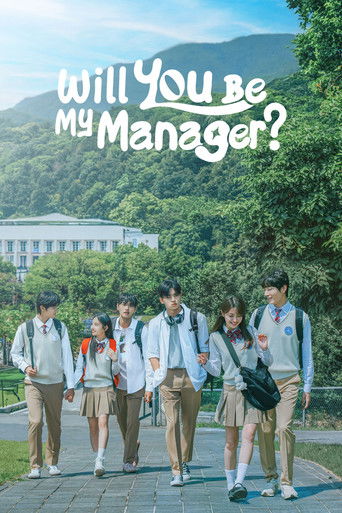
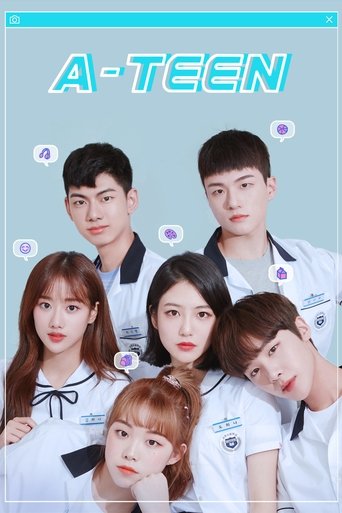
Twenty-seven dramas are about the young, and the youth guide gathers them. The web drama, made for telephones in episodes of ten to twenty minutes, has become the training ground of Korean television, and A-TEEN is its landmark. Released in 2018, it follows six eighteen-year-olds through friendships, crushes and the question of what to do after school, with a truthfulness about small feelings that its audience recognised at once; its lead, Shin Ye-eun, became a star. Love Playlist does the same for university students, and My First Time, Dalgona, Be Positive, Tomorrow Boy, Coffee, Do Me a Favor, Eating Existence, Unemployed Romance, Her Lovely Heels and Will You Be My Manager? are short series in the same vein. Imaginary Cat gives a lonely comic artist a cat with opinions, and Here Comes Robo KDI-109! a schoolgirl a robot from the future.
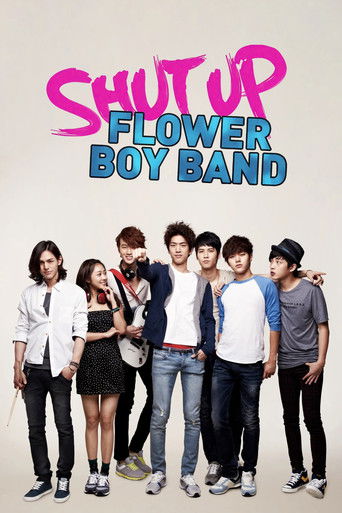
Music runs through the school dramas. Monstar is a musical series in which a pop idol sent back to school after a scandal joins a band of misfits; its performances of older Korean songs are a delight. Shut Up: Flower Boy Band follows a scruffy rock group that transfers to a wealthy school, and Just Dance a dance club at a vocational school in a shipbuilding town. Girls' Generation 1979 is set in the city of Daegu in the year of its title, with its school uniforms, bakeries and broadcast pop songs lovingly recreated. Hello My Teacher, from 2005, is an early romance of Gong Yoo and Gong Hyo-jin, and Plus Nine Boys looks at four members of one family, aged nine, nineteen, twenty-nine and thirty-nine, in the same unlucky year.
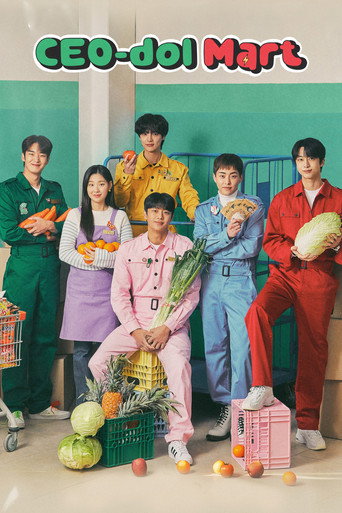
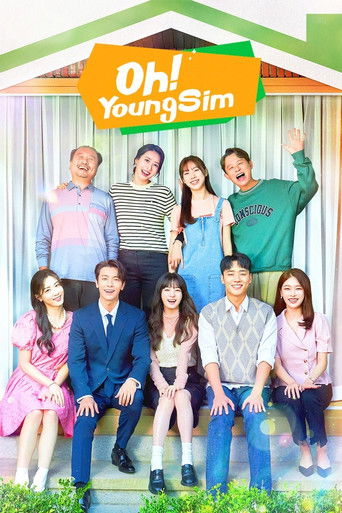
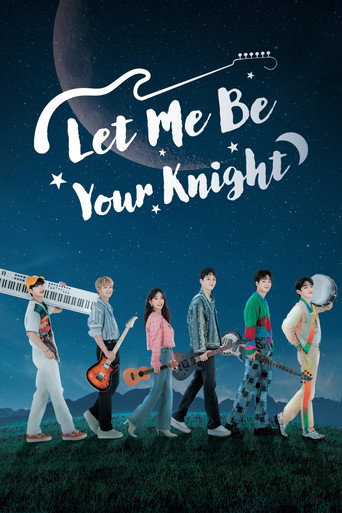
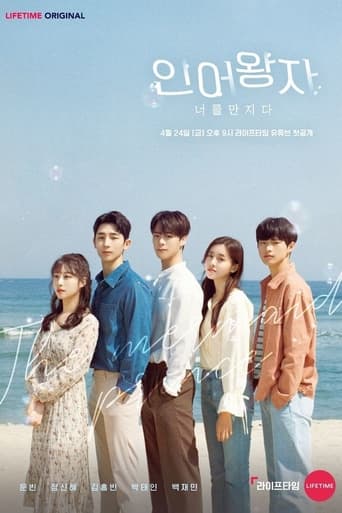
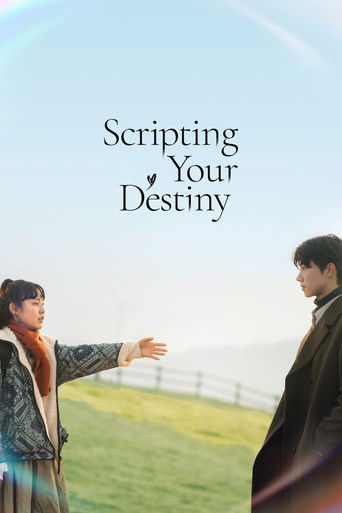
Idol singers appear often in these dramas, sometimes playing versions of themselves. Let Me Be Your Knight is about a band whose leader walks in his sleep, CEO-dol Mart about former members of a pop group who take over a supermarket, The Mermaid Prince a seaside romance, and Scripting Your Destiny a fantasy about a young god who writes human fates and copies from a screenwriter. More Than Friends, Oh! Youngsim and My Lovely Journey, in which a former singer becomes a travel reporter, carry the story into the first years of working life, and Tale of the Nine Tailed: An Unfinished Story is a three-part companion to a popular fantasy.
Romance
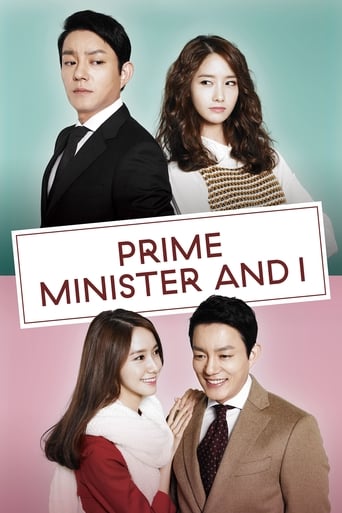
Fifty-four dramas are romances, the largest group, and the romance guide sorts them. The romantic comedy is where Korean drama is most inventive. Flower Boy Ramen Shop, the most followed drama on Dramacool, begins with a trainee teacher, played by Lee Chung-ah, who is studying for the civil service examination and has little time for the spoiled schoolboy heir, played by Jung Il-woo, who decides he likes her. She inherits a share in a noodle shop, and the staff, the regulars and the lazy cook with a share of his own become a family. It is quick, self-mocking and warm. The Prime Minister and I marries a widowed prime minister with three children, played by Lee Beom-soo, to a tabloid reporter, played by Yoona, by contract and for appearances, with predictable and satisfying results.
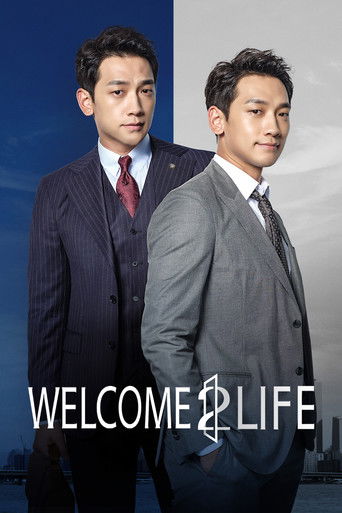
Dating Agency: Cyrano is about a team of theatre people who stage elaborate scenes so that tongue-tied clients may win the ones they love. Baby Faced Beauty stars Jang Na-ra as a woman of thirty-four who is taken for twenty-five and hired as a fashion designer. Operation Proposal lets a young man travel back through the years to the moments when he failed to speak to his best friend; Marry Him If You Dare sends a woman's future self to prevent her marriage; and Heart to Heart brings together a recluse who blushes at everything and a psychiatrist who has lost his gift. Welcome 2 Life, with Rain, puts a selfish lawyer into a parallel world in which he is an honest prosecutor, a husband and a father, and lets him learn to like it. Mama Fairy and the Woodcutter is about a fairy who has waited 699 years for her husband to be reborn and passes the time as a barista, and The Undateables, Oh! Master, Can We Get Married?, I Do, I Do, Me too, Flower!, Spy MyeongWol, Bubblegum, Borg Mom, Top Star, Yoo Baek, Bad Memory Eraser and Full House Take 2 offer every variety of sparring couple.
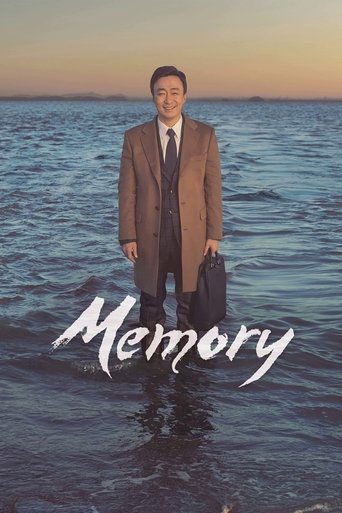
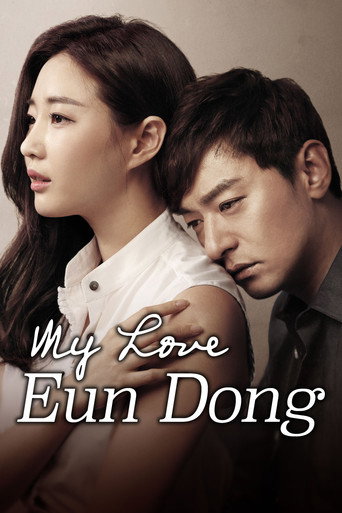
The melodramas are quieter and often very fine. A Thousand Days' Promise, written by Kim Soo-hyun, is about a woman of thirty, played by Soo Ae, who learns that she is losing her memory, and the man, played by Kim Rae-won, who decides to marry her nonetheless. Memory gives the same illness to a successful lawyer in his forties, played by Lee Sung-min, and watches him become a better husband, father and advocate in the time he has. The Wind Blows and the four-part The Most Beautiful Goodbye are in the same tradition of dignified tears. The Snow Queen, with Hyun Bin as a mathematical prodigy turned boxer, Cinderella's Sister, with Moon Geun-young as a guarded girl who finds a home at a rice-wine brewery, My Love Eun Dong, When I Was the Most Beautiful, Will It Snow For Christmas?, My Blooming Days, Snow Flower and One Fine Day are love stories told at an unhurried pace.
A few titles are simply good company. Dog Knows Everything is a comedy of 2024 with a cast of veteran actors in their seventies and eighties, led by Lee Soon-jae, who play themselves in retirement on a southern island and solve small mysteries with a retired police dog. Man Who Dies to Live has Choi Min-soo as a Korean who became a count in a small Middle Eastern kingdom and comes home to find his daughter. Listen to My Heart is a tender story of a deaf heir and a cheerful young woman, Super Daddy Yeol and Single Dad in Love are about fathers, and Sweet Spy is a caper from 2005.
The Korean Wave years
Forty-four dramas were made before 2010, and the guide to the earlier dramas lists them. These are the years in which Korean drama first travelled, and the dramas that carried it have a recognisable style: a poor and spirited heroine, a wealthy and wounded hero, a second man who loves in vain, and a great deal of weather. Lovers in Paris, from 2004, is the model. A young Korean woman studying in Paris takes a job as housekeeper to the head of a car company, played by Park Shin-yang, and the story follows them back to Seoul; it was written by Kim Eun-sook, who later wrote many of the most successful dramas of the next twenty years, and more than half the country watched it.
Hotelier, from 2001, sets the affairs of managers and guests against the daily running of a luxury hotel, with Bae Yong-joon as a businessman sent to buy it. Beautiful Days, with Lee Byung-hun and Choi Ji-woo, and Happy Together, with Lee Byung-hun and Song Seung-heon as two of five scattered siblings, belong to the same moment. Spring Waltz, filmed partly in Austria, completed the director Yoon Seok-ho's cycle of four dramas named for the seasons. Attic Cat, from 2003, was the first Korean drama about an unmarried couple sharing a flat, played as comedy by Kim Rae-won and Jeong Da-bin, and it remains very funny. 1% of Anything, with Gang Dong-won, Sweet 18, Delicious Proposal, an early appearance by Son Ye-jin, First Love of a Royal Prince, Great Inheritance, The Vineyard Man, Prince Hours, Cinderella Man, The Accidental Couple and Coffee House show the romantic comedy finding its feet, and the historical and medical dramas of the decade have been described above.
Miniseries and short dramas
Seventy-four dramas have between sixteen and twenty episodes, and the miniseries guide explains the form. Koreans call it a miniseries, though at sixteen or twenty hours it is longer than most Western seasons. It is shown twice a week for two months, and it tells one story from first meeting to final scene, which is why a Korean drama so rarely has a second season. Almost all the romances, medical dramas and office comedies in the catalogue take this shape.
Twenty-six dramas are shorter, with twelve episodes or fewer. Most of these are web dramas, and a whole one can be watched in an evening. Top Star, Yoo Baek, in which a vain celebrity is banished to a remote island, has eleven episodes; Dog Knows Everything, The Best Chicken and Stealer: The Treasure Keeper have twelve; Girls' Generation 1979 has eight; and The Most Beautiful Goodbye has four.
Long dramas
Forty-three dramas have fifty episodes or more, and the long dramas guide introduces them. They are of two kinds. The historical epics, shown twice a week for six months or a year, include Hur Jun with 64 episodes, King Sejong the Great with 86, Empress Myeongseong with 124 and The King Dae Joyoung with 134. The family serials, weekend and daily, run from fifty to more than a hundred and thirty. A long drama is a companion for a season: viewers in Korea follow one for half a year as a matter of course, and many would say that the slow accumulation of ordinary days is exactly what makes the ending count.
Stars to follow
Korean actors build their careers one drama at a time, and the stars guide names a few worth following. Kim Myung-min is the surgeon of Behind the White Tower, the conductor of Beethoven Virus and the producer of The King of Dramas, three studies in brilliant arrogance. Ji Sung appears in New Heart, The Great Seer and Kim Soo Ro; Lee Sun-kyun in Golden Time, Behind the White Tower and Miss Korea; Kim Rae-won in Attic Cat, Gourmet and A Thousand Days' Promise; and Joo Won in Ojakgyo Family, Naeil's Cantabile and Stealer: The Treasure Keeper. Choi Soo-jong, the king of historical drama, leads The King Dae Joyoung and Dream of the Emperor and then plays a humble father in My Only One.
Among the women, Hwang Jung-eum is at her comic best in The Undateables and Listen to My Heart; Moon Geun-young, once called the nation's little sister, stars in Cinderella's Sister, Cheongdam Dong Alice and The Goddess of Fire; Uee in My Only One, Ojakgyo Family and Birdie Buddy; and Sung Yu-ri in five dramas, among them The Snow Queen and Hong Gil-Dong, The Hero. Park Eun-bin can be seen growing up, from a child's part in The Legend to the heroine of Operation Proposal. The veteran Lee Soon-jae appears in four dramas made across a quarter of a century. The search field accepts all of these names.
Places on screen
Korean dramas are closely tied to their settings, and a viewer soon learns the map. Seoul is the home of most modern stories: the towers and boutiques of Gangnam and Cheongdam-dong, south of the Han River, stand for wealth in Cheongdam Dong Alice and Fashion King, while the steep lanes and rooftop rooms of the older northern districts stand for youth and thrift in Attic Cat and Flower Boy Ramen Shop. The river and its bridges are where characters go to think. Busan, the great southern port with its own dialect, is the setting of Golden Time, and Daegu of Girls' Generation 1979. Jeju, the volcanic island off the south coast, with its women divers and stone walls, is the world of Tamra, the Island, and the smaller southern islands and fishing towns supply the retreats of Top Star, Yoo Baek and Dog Knows Everything.
The historical dramas are filmed in the surviving palaces of Seoul, in folk villages and on large permanent sets built in the countryside, several of which are open to visitors. Some of the older romances travelled abroad for their opening chapters, to Paris for Lovers in Paris and to Austria for Spring Waltz, which was a novelty for audiences at the time and part of their appeal.
Songs and soundtracks
Every Korean drama has an original soundtrack, and the songs are part of the experience. A drama usually has a main love theme, released as a single while the series is on the air and returned to at each turning point of the story, together with several further songs for particular characters and moods. Well-known singers and members of pop groups record them, and a successful theme can remain on the charts long after the final episode. The songs of Lovers in Paris and Beautiful Days are still remembered in Korea two decades on.
In the musical dramas the music is the story. Beethoven Virus is built around the orchestral repertoire, from Beethoven's ninth symphony to film themes arranged for amateurs, and Naeil's Cantabile around the piano works its two students practise. Monstar has its young cast perform older Korean pop songs in new arrangements, and Shut Up: Flower Boy Band and Let Me Be Your Knight follow bands whose songs were written for the series. The directors of the family serials use music more sparingly, and a single melody on the piano may accompany fifty episodes of reconciliations.
How a drama is made
It helps to know how these dramas reach the screen. A miniseries is usually the work of one writer, who is the acknowledged author of the story and whose name is advertised beside those of the stars; Kim Soo-hyun, Noh Hee-kyung, Kim Eun-sook and the Hong sisters are known to viewers as novelists are known to readers. For many years dramas were written and filmed while they were being broadcast, so that a writer could respond to the audience from week to week, and it is only since the later 2010s that most have been completed before the first episode is shown. The family serials are written for a large company of actors under long contract, many of whom have played parents and grandparents together for decades, which is one reason their households feel so settled.
Choosing for the family
Because the selection was made with a mixed household in mind, most of the catalogue can be shared, and the family viewing guide picks titles for different company. With teenagers, the school and music dramas are the natural choice: A-TEEN, Monstar, Naeil's Cantabile and Thumping Spike. For the whole house, Ojakgyo Family, The Great Show, Borg Mom and Dog Knows Everything have something for every age. With grandparents, Hur Jun, My Only One, Yeah, That's How It Is and For Eagle Brothers are sure ground.
A few points are worth knowing beforehand. Historical dramas include battles and palace intrigue. Medical dramas show operations. A Thousand Days' Promise, Memory, The Wind Blows and The Most Beautiful Goodbye deal with serious illness, gently and at length. Family serials turn on secrets of birth and on quarrels between in-laws, which are always resolved. Each title page carries a full summary, so a parent can read it in a minute and decide.
Choosing a first drama
Viewers new to Korean drama sometimes wonder where to start among so many, and a few suggestions may help. Begin with a miniseries, since it is complete in itself and will show within two episodes whether the style appeals. For comedy, Flower Boy Ramen Shop or The Queen of Office; for romance with a touch of fantasy, Welcome 2 Life; for something more serious, Behind the White Tower or Memory; for music, Beethoven Virus.
It helps to know the rhythm. A Korean miniseries usually spends its first two episodes on introductions, reaches its central situation at the end of the second, and places a turn of the story at the end of every hour so that viewers will return two days later. Flashbacks are frequent, and a scene may be shown twice from different points of view. Meals matter: a great deal of plot is conducted over soup. Viewers who settle into these habits tend to find that sixteen hours pass more quickly than they expected. The family serials and historical epics are best kept for later, when the faces of the leading actors have become familiar and a hundred episodes seem a pleasant road.
A few words worth knowing
Some terms recur on the title pages and in this guide. Sageuk is the Korean word for historical drama. The kingdom of Joseon lasted from 1392 to 1910 and is the setting of most of them; before it came Goryeo, and before that the three kingdoms of Goguryeo, Baekje and Silla, which supply the ancient epics. A chaebol is one of the great family-owned business groups, and its heirs are the princes of modern romance. A weekend drama and a daily drama are family serials named for their time of broadcast. The broadcasters KBS, MBC and SBS made almost all the older dramas here, and the cable channels tvN and JTBC many of the newer ones.
Family names come first in Korean, so Kim Myung-min is Mr Kim, and a small number of surnames is shared by a large part of the population, which is why so many unrelated actors are called Kim, Lee or Park. Characters address each other by title or relationship more often than by name, as older brother, older sister, teacher or team leader, and subtitles sometimes keep the Korean words. Episode counts can differ between sources, because from 2017 to 2020 the main broadcasters split each hour into two half-hour parts; Welcome 2 Life is listed with thirty-two episodes and takes sixteen hours to watch.
By period
Forty-four dramas date from 1999 to 2009, the years described above. Fifty-eight come from 2010 to 2014, a rich period that produced Flower Boy Ramen Shop, Seoyoung, My Daughter, Golden Time, The Queen of Office, Dating Agency: Cyrano, The Prime Minister and I, Jeong Do Jeon and Naeil's Cantabile. Fifty-six come from 2015 to 2019, among them Heart to Heart, Memory, The Great Show, My Only One, A-TEEN and Welcome 2 Life, and twenty-six have appeared since 2020, including Kkondae Intern, Missing Crown Prince, Dog Knows Everything, Beauty and Mr. Romantic and For Eagle Brothers.
Popular dramas
The Popular dramas list holds the twenty-seven titles that score at least seven out of ten from five or more viewers, and its first twelve form the numbered box on the home page. Medicine is strongly placed, with Behind the White Tower, New Heart and Brain; family serials send My Only One, Seoyoung, My Daughter, For Eagle Brothers, Our Gap Soon and Smile, You; and romance contributes Welcome 2 Life, The Snow Queen, Heart to Heart, Attic Cat, Hotelier, Baby Faced Beauty and Mama Fairy and the Woodcutter. Miss Korea, The Great Show, Dog Knows Everything and The Nokdu Flower complete a varied list. Scores for the less widely seen dramas rest on a small number of votes, so the list is best read beside the summaries.
Search and the A to Z
The search field sits beside the logo on every page. Type a few letters and results appear at once beneath it; the search looks at titles, original titles, actors and directors. The finding titles page summarises the methods. Typing "Hur Jun" brings both versions of the physician's story, "flower" brings six dramas, and "Kim Myung-min" brings his three. A title may be entered in English, in romanised Korean or in Korean script.
The A to Z page sets out all 184 dramas in a single alphabetical index. The Drama list page shows them most popular first, and each of the fourteen lists has a page of its own with a line of description and a count.
My List
A catalogue of six thousand episodes calls for a list of your own. Each drama page places an Add to My List button directly after Watch now, and pressing it once puts the drama on your list. The yellow tab at the end of the teal bar opens the list, where every saved drama appears as a row with a Remove button. The My List page explains each button. The browser you are using saves the list on your own device, so it is there on your next visit, and the list page can save a copy to a small file for safe keeping or for another computer.
How Watch now works
Every drama page has a country selector with fifteen countries, among them the United States, South Korea, the Philippines, Malaysia, Singapore, Indonesia, Thailand and India. Pick yours and press Watch now. JustWatch opens on the page for that drama and shows the services that carry it there, grouped by subscription, rental, purchase and free viewing. The large international services, the Korean broadcasters' own platforms and the specialist Asian drama services all appear in those lists. Availability differs from one country to the next, which is why the selector comes first.
A first fortnight
Here is a plan for fourteen evenings that samples all five kinds of drama. Begin with the first two episodes of Flower Boy Ramen Shop. On the second evening start Beethoven Virus, and on the third Welcome 2 Life, returning to each as the fortnight goes on. The fourth belongs to the opening of Hur Jun, the fifth to A-TEEN, whose episodes last a quarter of an hour, and the sixth to the first hours of My Only One. On the seventh, watch all four parts of The Most Beautiful Goodbye. In the second week, sample Behind the White Tower, The Queen of Office, Hong Gil-Dong, The Hero and Dog Knows Everything, and give the remaining evenings to whichever miniseries has taken hold. By then you will know which kind suits you best, and Dramacool will have more than a hundred and seventy dramas still to offer.
Questions and answers
Questions
What is Dramacool?
Dramacool is a guide to 184 Korean television dramas, 1999 to 2025, sorted into historical dramas, family serials, work and medicine, youth and web dramas and romance.
Which drama should I watch first?
Start with Flower Boy Ramen Shop for comedy, Beethoven Virus for music, Welcome 2 Life for romance or Hur Jun for history.
Is the catalogue suitable for families?
Yes. Every summary was read by hand, and the selection favours romance, family stories, medicine, music, food and history.
What is a sageuk?
A sageuk is a Korean historical drama, usually set in the Joseon kingdom of 1392 to 1910. Thirty are listed.
How long is a Korean drama?
A miniseries has sixteen to twenty episodes of about an hour; family serials and historical epics have fifty or more.
How many episodes are listed?
The 184 dramas have 6,046 episodes between them, and each drama page lists them with titles and dates.
How does My List work?
Press Add to My List on a drama page. Your browser saves the list on your device, and the list page can save a copy to a file.
Does Dramacool host dramas?
Dramacool is a guide only. Every Watch now button opens JustWatch, which lists the official streaming, rental and purchase services for your country.
